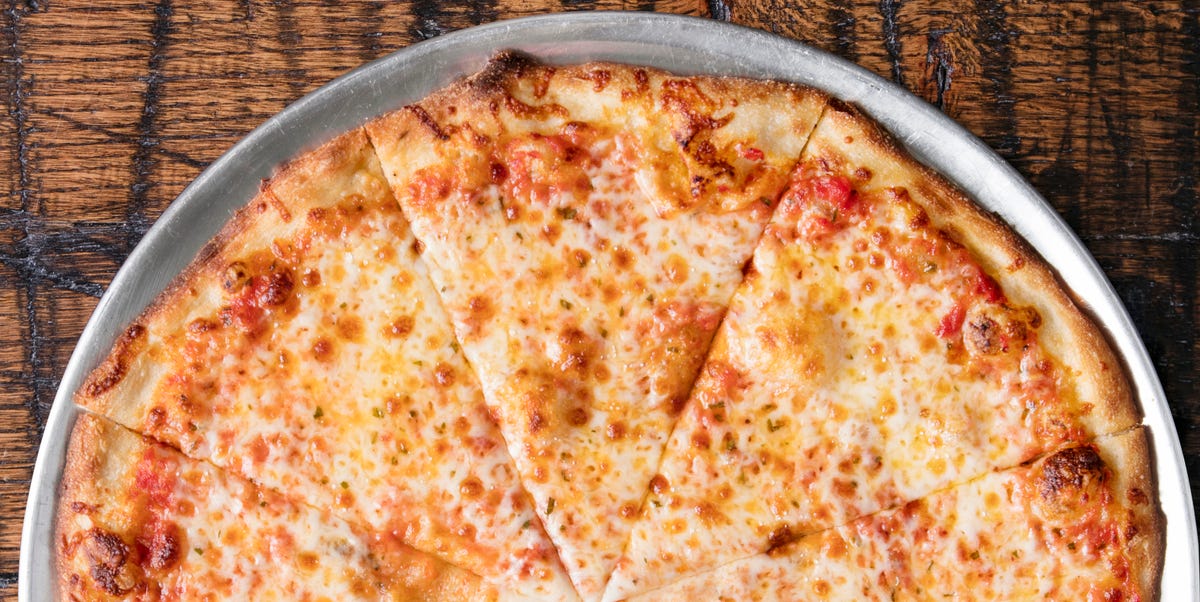
Food Network's Secrets: Crafting the Best Basic Pizza Dough
There are few culinary delights that command universal affection quite like a perfect slice of pizza. Whether adorned with gourmet toppings or enjoyed in its simplest form, the magic often lies beneath it all: the crust. It's the foundation, the canvas, and often, the most challenging part for home cooks to master. The good news? You don't need years of pizzeria experience to achieve that elusive perfect crust. Thanks to the dedicated test kitchens at Food Network and insights from pizza aficionados like Ree Drummond, crafting the best
Mastering Homemade Pizza Dough: Easy Steps for a Perfect Crust is well within your grasp. Say goodbye to those plastic-wrapped grocery store doughs – your journey to homemade pizza perfection begins now.
The Heart of the Matter: Why Your Basic Pizza Dough Is Everything
For many, pizza is more than just food; it's an experience. Just ask Ree Drummond, whose passion for pizza led her and her husband, Ladd, to open P-Town Pizza in Pawhuska, Oklahoma. While P-Town offers a dazzling array of unique toppings, every single pie shares a common secret: a phenomenal basic pizza dough. The team at P-Town didn't settle for "good enough"; it took them a staggering 73 tries to perfect their recipe. This dedication underscores a fundamental truth in the world of pizza: the dough isn't merely a vehicle for sauce and cheese, but the very soul of the dish.
A truly great pizza begins with a
basic pizza dough that delivers on texture, flavor, and resilience. It needs to be sturdy enough to hold its shape, yet tender enough to be a joy to bite into, offering that ideal balance of crispy exterior and chewy interior. This is precisely where Food Network's expertise shines, offering a foolproof primer that distills years of culinary development into actionable steps for your kitchen.
Decoding the Flour: Food Network's Guide to Crust Perfection
The journey to an exceptional pizza crust invariably starts with its most fundamental ingredient: flour. The type of flour you choose plays a pivotal role in the final texture and structure of your
basic pizza dough. The Food Network test kitchen, known for its practical approach, primarily recommends using
all-purpose flour for homemade pizza dough. Why? Because it’s widely available, cost-effective, and incredibly versatile, capable of producing both thin and thick crusts.
The secret lies in the protein content of the flour. All-purpose flours typically contain a moderate 9 to 11% protein. In the context of bread and dough making, a higher protein content directly translates to greater gluten development. Gluten, a network of proteins formed when flour and water are mixed and kneaded, is what gives dough its elasticity and strength. Doughs with well-developed gluten are more robust and less prone to tearing, which is crucial when you're stretching your pizza base.
However, if your ideal pizza features a chewier, more substantial crust that maintains its shape even under the weight of generous toppings, Food Network suggests a simple swap: use
bread flour. Bread flour boasts a higher protein content than all-purpose flour, leading to even more significant gluten development. This results in a dough that is not only chewier but also exceptionally strong and stretchable, making it ideal for those who love a robust, artisan-style crust. Understanding the nuances of flour and its impact on gluten is a foundational secret to achieving your desired pizza crust. For a deeper dive into how flour types impact crust texture, explore our guide on
Unlock Crispy Pizza Crust: The Role of Flour & Kneading.
The Kneading Conundrum: Unlocking Dough's Potential
Once you've selected your flour, the next critical step in transforming simple ingredients into sublime
basic pizza dough is kneading. This physical process is more than just mixing; it's how you develop and strengthen the gluten network, giving your dough its characteristic elasticity and structure. Without proper kneading, your dough will be weak, tear easily, and result in a dense, unappealing crust.
The Food Network developers provide a concise, effective method for kneading:
- Prepare Your Surface: Place the dough on a clean, lightly floured surface. The key here is "lightly"—you need just enough flour to prevent sticking, but not so much that it dries out the dough or alters its delicate consistency.
- Push, Turn, Repeat: Use the heel of your hand to push the dough down and away from your body. This action stretches the gluten strands. Then, turn the dough 45 degrees and repeat the pushing motion. Continue this rhythm, adding a tiny sprinkle more flour only if the dough becomes too sticky to handle.
- Know When to Stop: Knead for approximately 4 to 5 minutes. The dough is ready when it transitions from shaggy and rough to smooth and supple, feeling just a little tacky to the touch. This lightly sticky consistency indicates that the gluten has developed sufficiently. Over-kneading is a common pitfall that can lead to a stiff, tough, and overly chewy crust, so resist the urge to keep going once you've reached that ideal texture.
For those who prefer a less hands-on approach, a stand mixer with a dough hook can accomplish the same task in about the same timeframe, often requiring slightly less flour on the surface. However, the tactile feedback of hand-kneading can be incredibly valuable for learning the dough's true consistency.
The Magic of Time: Rising, Resting, and Storing Your Dough
Beyond ingredients and technique, patience is perhaps the most undervalued secret ingredient for the best
basic pizza dough. The "rise," or proofing stage, is absolutely crucial. It provides the yeast, flour, and water with the necessary time to fully develop the gluten structure, leading to that perfectly stretchable pizza crust, and perhaps more importantly, allows the yeast to ferment, creating depth of flavor.
The duration of the rise can vary significantly, typically anywhere from one to two hours, depending on the ambient temperature and humidity in your kitchen. A warmer, more humid environment will accelerate the process, while a cooler one will slow it down. To accurately track your dough's progress, the Food Network offers a clever tip: after placing your greased dough ball in a bowl and covering it with plastic wrap, use a marker to trace the initial outline of the dough on the plastic. This visual guide makes it easy to see when your dough has doubled in size.
For an even deeper flavor profile, consider a slow, cold rise. You can place your dough in the refrigerator overnight. This extended fermentation not only enhances the dough's complexity but also makes for a convenient make-ahead option.
Finally, knowing how to store your homemade pizza dough ensures you're never far from a delicious pizza night. Pizza dough freezes beautifully for up to a month. To freeze, simply wrap the dough ball tightly in plastic wrap, ensuring no air can get in, and store it in an airtight container or freezer bag. When you're ready to use it, transfer the frozen dough to the refrigerator overnight to defrost. Once thawed, let the dough rest at room temperature for at least 30 minutes before stretching and topping, allowing it to relax and become more pliable.
Conclusion
Crafting the perfect
basic pizza dough at home might seem daunting, but with the practical wisdom from the Food Network test kitchen and the inspiring dedication of pizza lovers like Ree Drummond, it's an achievable and incredibly rewarding culinary pursuit. By understanding the role of flour, mastering the art of kneading, and respecting the essential process of rising, you unlock the potential for truly exceptional homemade pizza. Ditch the store-bought imitations and embrace the satisfaction of creating a foundation that will elevate any topping combination. The secrets are out – now it's your turn to bake.